Beat It, Rufus; Or the World from the Eyes of a Failed Gen-X Rockstar
Indie Thing Under the Sun

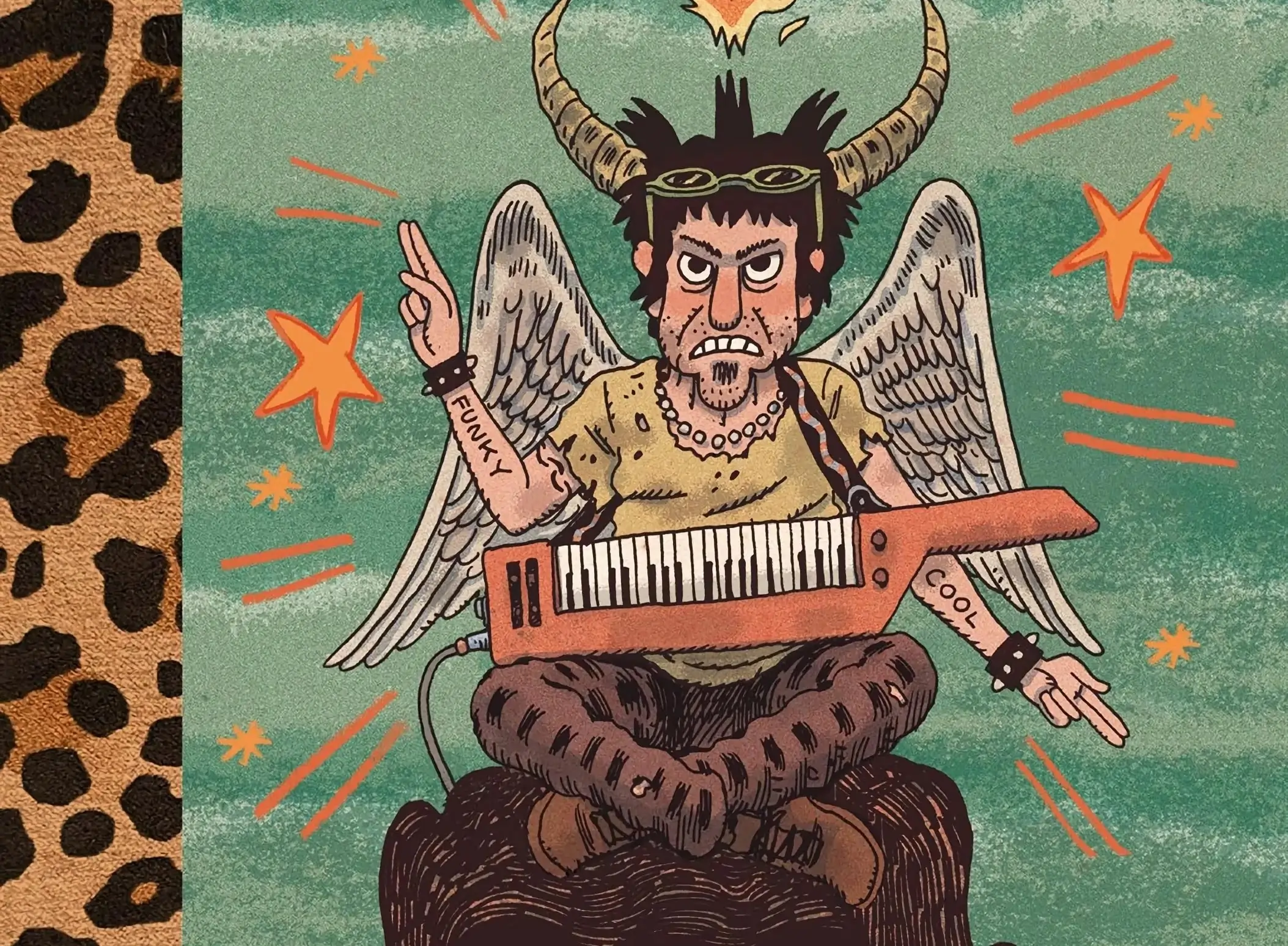
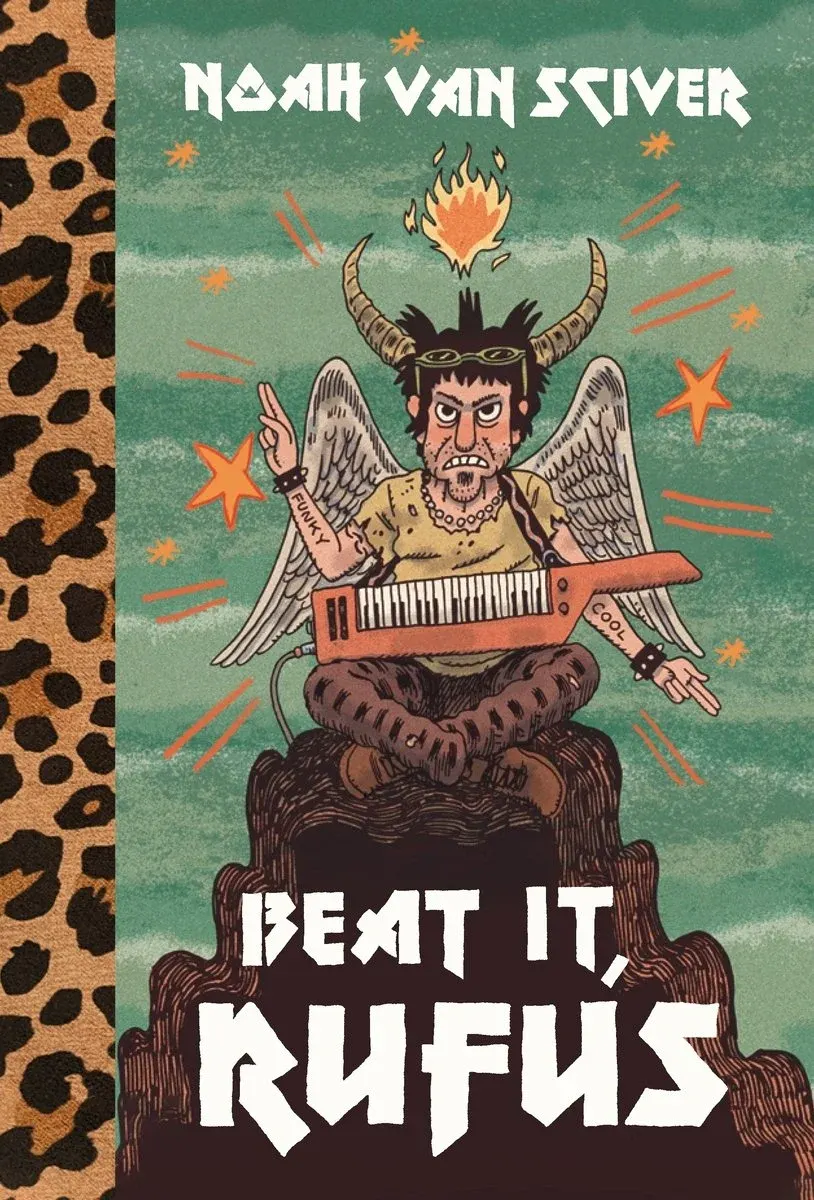
One of the most compelling and challenging decisions a story can attempt is to present an unlikable protagonist. Flaws are natural and necessary for almost any character and help to humanize larger-than-life heroes, but to go further and depict a person that is defined by being off-putting or rude while retaining the reader’s investment is a higher hurdle than sprinkling a few relatable personality quirks. In 2025’s Beat It, Rufus, author-illustrator Noah Van Sciver opens a window into the eyes and world of Rufus, a wretched man who has nothing and seems to deserve less. Without ever compromising the harsh characterization of Rufus, Sciver wields nuanced satire to great success in his effort to tell a gripping, human story.
Beat It, Rufus opens with the title protagonist on the down and out, which will turn out to be his usual state. He plays a mediocre opening mic, mistaking it for being a paying gig, and returns to his temporary apartment/storage unit, from which he finds himself evicted. With nothing to his name but a guitar and a junker of a car, Rufus sets out on the road to an actual professional performance found for him by his small-time agent. While driving, he soon finds himself reminiscing on his many past mistakes and missed opportunities, which propel Rufus onto a much longer, treacherous, and potentially life-changing journey.
The most important element of this book’s narrative for readers to remember is the point-of-view character. Rufus is a jaded, repressed failure, and the way he perceives or interprets events is always informed by his general unpleasant attitude and personality. Readers will recognize Rufus as the guy with a big head, who puts in so much effort into his image to try to appear effortless, only to consistently fall short of impressive. As his quest comes into being, readers will not find themselves buying Rufus’s self-proclaimed reformation or even believing that his long-awaited royalties at the end of the rainbow exist at all. Despite and because of his flaws, Rufus is interesting to read and unravel, without ever becoming someone for whom readers can really cheer. The layer that brings the book over the line into something special, though, is Rufus’s rampant self-loathing, evident in his perceptions of everyone and everything around him.
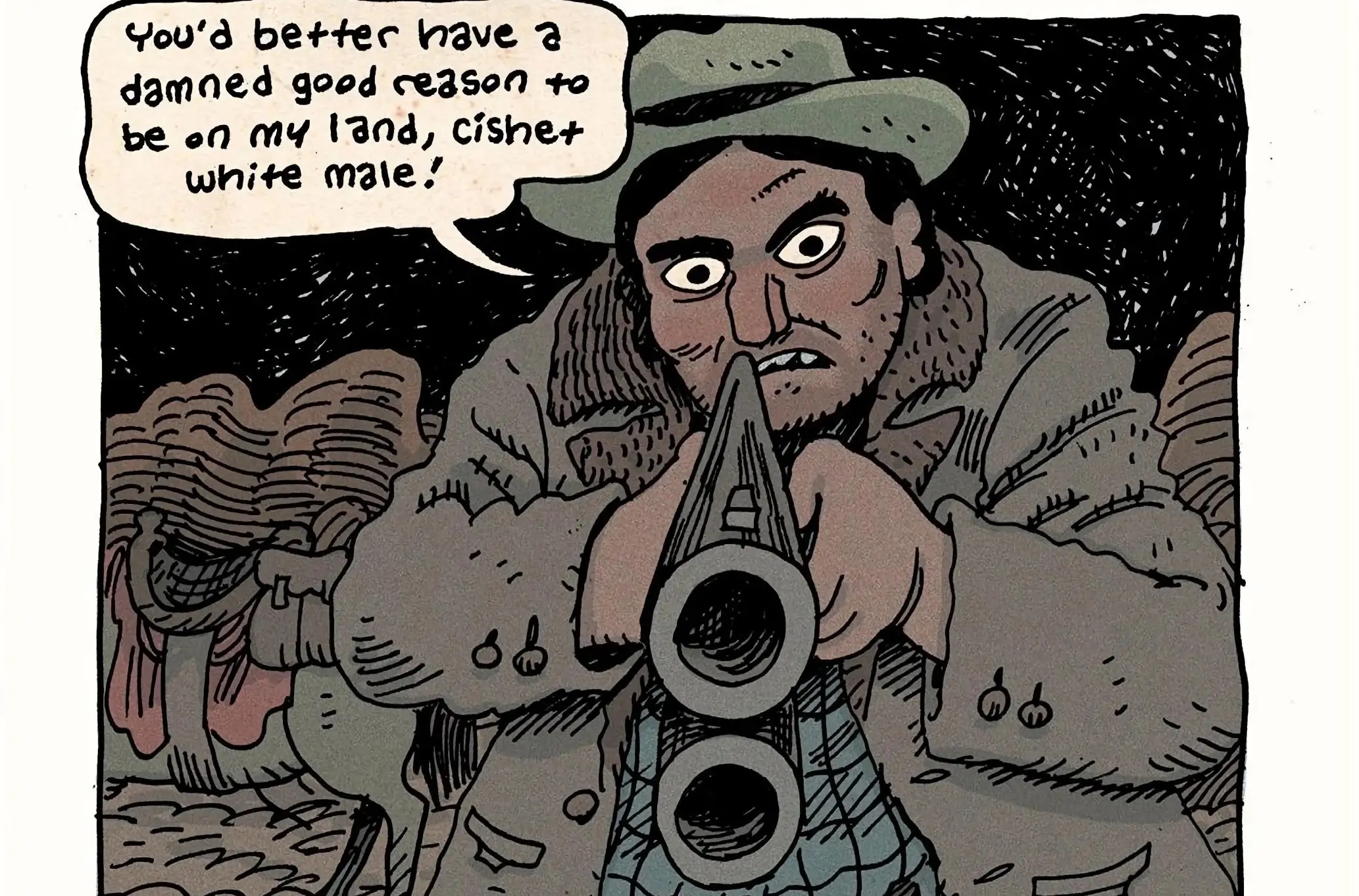
There is a jarring moment that reinforces the hopelessly skewed outlook that Rufus has on the world around him, and in an ironic twist, it occurs before the washed-out rockstar does copious drugs, not after. While searching for peyote to harvest a bit of mescaline, Rufus is stopped by the owner of the land, who is apparently a group of Native American guys that are an interesting mixture of normal and violent to their creepy trespasser. I found a lot of enjoyment in the moment Rufus is discovered, as the gun-wielding patrol throws out “cishet” as he orders the sneaking protagonist to freeze. There’s not really a serious reason for him to use the term in that context, and I have to assume the man on patrol did not literally say the line; instead, the absurd remark is a stark indicator of the warped worldview Rufus has constructed for himself. The aging rocker sees the modern world assaulting him at every turn, even when it isn’t. After roughing him up and then giving him drugs and a lift to the “Cave of Wonders”, the men see Rufus off as he continues his path to enlightenment.
Rufus goes through a prolonged, drug-induced spiritual journey where he is forced to face his past and the many mistakes that lie in his wake. This section distills the book’s overall objective, with quick humor complementing reflections on gut-wrenching human failure. Much of Rufus’s trip down memory lane is excellent comedy, but some of it does fall a little flat. At times, there seems to be an imbalance where the humor is that of the author a bit too much, rather than that of the character. The epitome of this specific balancing act is the panel where the devil on Rufus’s shoulder replies that the protagonist was “mid” in response to the assertion that Rufus was a cute baby. Calling a baby mid is hilarious, do not get me wrong, but there’s just no world where the character Rufus, as presented to readers up until this point, would make that sort of joke, even in his self-deprecating inner monologue. A generous reading could frame the devil’s language as a bitter projection of Rufus’s view on the way younger generations speak, but considering the next line of dialogue from the devil is “Your thirst for attention has always been boundless,” I’m not so sure the intention is clear. While the comedy is a steep step above most comics on the market, the few moments of mismatched tone do bump the reader out of both the story’s world and the flow of the narrative.
Rufus returns to the present from his time spent reliving the past and decides, as he puts it, to shift his priorities. This change of life direction starts with quitting his meager, though paying, gig-work and committing to tracking down an old girlfriend of years past, the one who got away. Becky, who Rufus abandoned way back when he saw the first inkling of professional success, has moved on with her life and started a family somewhere out in suburban America. In order to find Becky, Rufus spends hours attempting to operate the internet over a public library computer. This sequence leads to another illuminating interaction, with a woman younger than him coming over to insult and assist Rufus. The scene is another look at the dichotomy of Rufus’s role in the world, with the woman commenting that he had overstayed his time on the earth, while also sliding in to help him use the computer in the service of creeping on and tracking down his old girlfriend. To get on her good side and elicit help, Rufus blubbers about how he can be cool, and even throws out that he “might be bisexual,” which is all a pretty funny way to really hit home the disconnect between what he perceives the world to expect and what is actually happening around him.
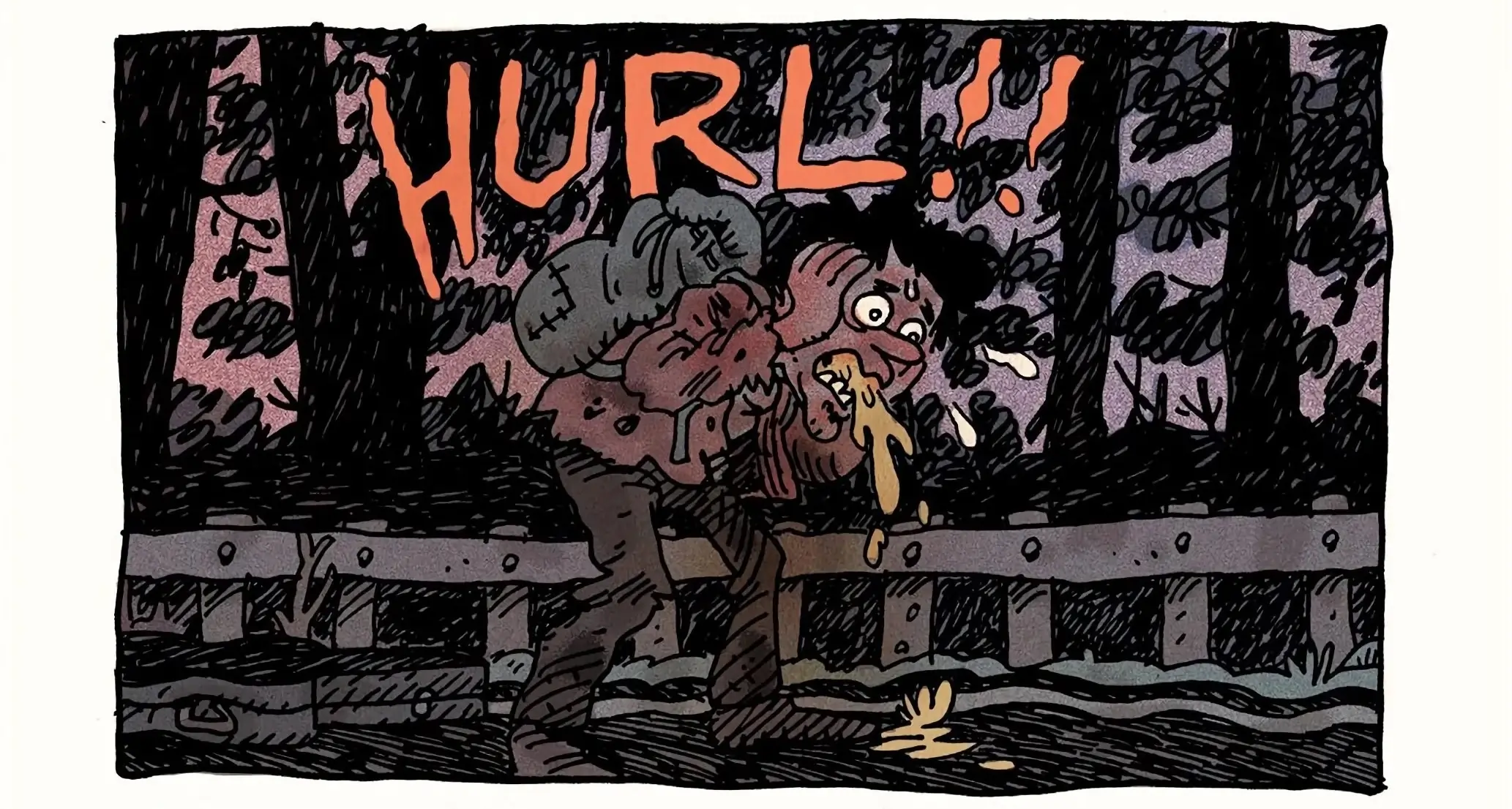
With Becky’s address acquired, Rufus sets out to the great state of Nebraska to instigate the most awkward of reunions imaginable. The scene plays out in a manner that is predictable for the most part. Readers see Becky's simple, well-rounded life, contrasted with Rufus’s more immature, stay-young-forever way of living. Sciver could have leaned into the mess of Rufus’s existence and really showcased Becky as the key to a life that the wannabe rockstar ruined for himself. However, the author takes a more nuanced approach, and while readers are introduced to what could have been for Rufus, they are also presented with a bit of regret from Becky’s perspective. Despite her conventional success, there is a degree of nostalgia that leaves the married mother wishing she had taken a different path. The conversation between Rufus and Becky might be the most grounded in the book, with their dialogue feeling natural and subtle, and without the lingering bias that colors most of Rufus’s interactions with people he does not know. After a contradictory speech in which Rufus reveals his plans to build a better future and become a better person, but also showcases his ignorance on how to follow through with either, the former couple consummate their lost relationship. Real and messy, the reunion of Becky and Rufus is the heart of the book, in a way rivaled only by the subsequent climactic meeting with the presumed dead bandmate, Doing it to the Max.
Max was one of Rufus’s two band members who were victims of a private plane crash. The hard truth is that neither of the other men wanted to even be on the apparently ancient aircraft, but Rufus pushed and convinced them to rent it, while also backing out on joining the ride at the last minute due to his own pettiness. For the next decades, Rufus lived with the flawed assumption that the duo had both perished in the midair explosion. Becky revealed the truth to him, and, despite his best efforts, Rufus convinced himself that a good, reformed man would not go to visit Max. Instead, Rufus tries to close out the last leg of a cross-country journey by visiting the record label that put out his former band’s one album all those years ago. From the context given in Rufus’s flashbacks and his general state of unsuccessfulness, the reader never expects there actually to be a pot at the end of this particular rainbow, but the anticipation of how Rufus will react is the real source of motivating tension.
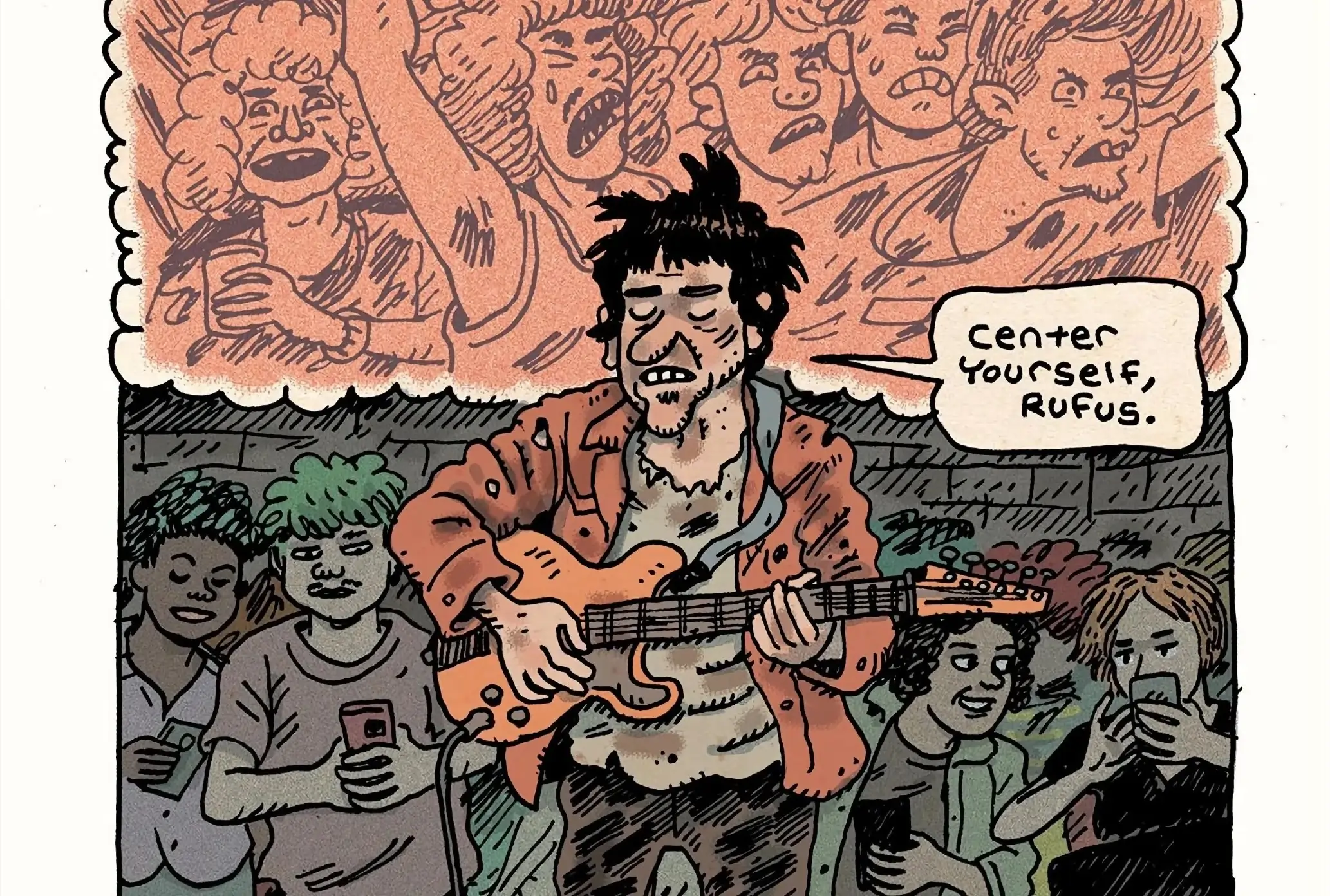
Before he arrives at the doorstep of his former publisher and subsequent retirement, Rufus manages to find and play one last punk show. There is a lot of satire and good jokes, as Rufus meets and replaces a pink-haired guitarist with stage fright. The show section follows the familiar satirical framework of the other scenes, though this portion seems to have more to say on the subject of modern punk shows than it does on Rufus as a character. The art also really shines here and further illustrates a certain passion for music and performing that is baked into the book. Rufus is at his most redeemable in these moments, but even that can be attributed to the people and situation around him, and largely not his own actions or intentions. By proving he’s still got it, Rufus can slide off into a happy retirement, so long as the long-awaited paycheck comes through.
The long-awaited paycheck does not come through for Rufus. He arrives at the record company headquarters to find an abandoned building and not a penny waiting for him. Rufus proceeds to try to strip the place for copper wires with a guy he meets outside, but the rocker nearly fries himself while trying to rip out the electrical material. Defeated and electrified in the worst way, Rufus decides to call up Becky again, only for her to let him know he is right around the corner from Max. Without any other goal in front of him, Rufus goes to Max almost on autopilot, as though it is just the next, if not final, thing that needs to happen in his life.
Outside of Rufus’s time with Becky, the reunion with Max is by far the most layered and captivating section of the book. Their conversation is coded and awkward, with buried resentments bubbling to the top and eventually exploding into the open. Max is presented as another example of someone who became a conventional success, but in Rufus’s eyes, he is also one more sellout who compromised his convictions for comfort. After throwing out a few disingenuous plans to get back together, Rufus concludes that he is better off living life in the same way he always did, because he does not, or chooses not to, see any value in the alternative paths that have been presented in his journey.
Beat It, Rufus rules, there’s no getting around it. The art is vibrant and expressive, with a style reminiscent of a 90s/00s teen or adult cartoon, a perfect complement to the book’s overall tone. The humor hits more than it misses, though it will not necessarily be for everyone, and the exploration of Rufus is never boring either way. Sciver pokes and prods our modern society without falling into nostalgia or rose-colored glasses about the past. Rufus as a character is someone readers will find unfortunately familiar, and occasionally even relatable. You may not like what the leading man does, but you will love to watch him do it in Beat It, Rufus.
Citation Station
Beat It, Rufus. Noah Van Sciver (writer, artist). 2025. Fantagraphics.