Jonathan Hickman Sets His Own Pace for Ultimate Spider-Man Volume 2: The Paper
Marvel’s Ultimate Universe

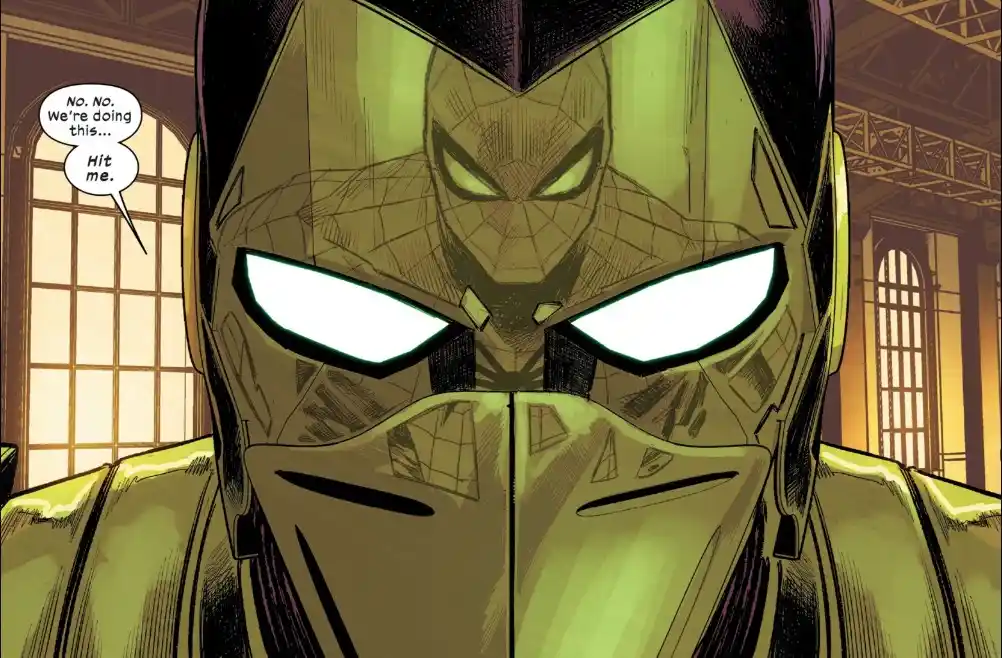
In the first six issues of Ultimate Spider-Man, writer Jonathan Hickman, artist Marco Checchetto, and the team round up the most infamous editorial constraints placed on the character of Peter Parker, and then ignore them. While the second volume continues to indulge in the novelty of the alternate universe, every other character name is a reference or easter egg, and there’s plenty of multiverse talk, the series is far from dependent on surface-level subversions. Ultimate Spider-Man Volume 2 hits the brakes and parks square in the middle of classic comic melodrama. The deliberate pacing of the series is notable given the ticking clock that was established in Hickman’s Ultimate Invasion, with a universe-shifting, or ending, event promised when The Maker is due to emerge from his two years locked in The City.
For Ultimate Spider-Man’s sister series, X-Men, Black Panther, and Ultimates, the time limit is ever-present and noticeable to the reader. These books are working within the imposed constraints, but that requires them to make decisions that are not always the most natural or intuitive for their stories. Spider-Man is not impacted in the same way, which can likely be credited to Hickman’s involvement in the series and the architecting of the Ultimate line as a whole. The pacing and creative decisions in the series are not only a departure from others in the shared universe, but are a breath of fresh air from the stale superhero genre.
The Paper is interested in Spider-Man’s supporting cast above all else. From Ben and Jonah to Harry and Gwen to Mary Jane and the kids, readers are given ample reason to care about the people in Peter Parker’s life. The book is unafraid to introduce sympathetic elements for the side players from areas unrelated to Spider-Man, such as MJ and her relationship with her sister, which helps to bolster the cast’s relatable nature, as they feel more fleshed out and well-rounded.
From the grander perspective, Ultimate Spider-Man is not playing with the broader universe in a significant manner. The extent of the book’s interest in the events set in motion with Ultimate Invasion surrounds the origins of Peter and Harry’s suits, and the few interactions the two have with Iron Lad. Readers are assured that Spider-Man is very important, in fact, the most important superhero in the whole wide world, but otherwise, the book is focused on relationships and personal issues, with the world-shaping events existing well in the background.
Decisions to rein the book in, keep it focused and insular, result in a creative product that stands apart from its role as a pillar in a larger story, for the better. The relationship and associated story between Ben Parker and J. Jonah Jameson is the highlight of this dynamic. The tempo and stakes of the upstart news publication work as a natural substitute instead of traditional costumed hero action. Witty, well-developed writing keeps the reader guessing and the pace high even when the book opts for long conversations, while meandering through convoluted journalistic endeavors. Through the tone and scale of their work, Ben and Jameson are portrayed as heroes as much as Spider-Man. Their genuine camaraderie, love for their families and friends, and dedication to the truth reveal the pair to be good-hearted and sympathetic.
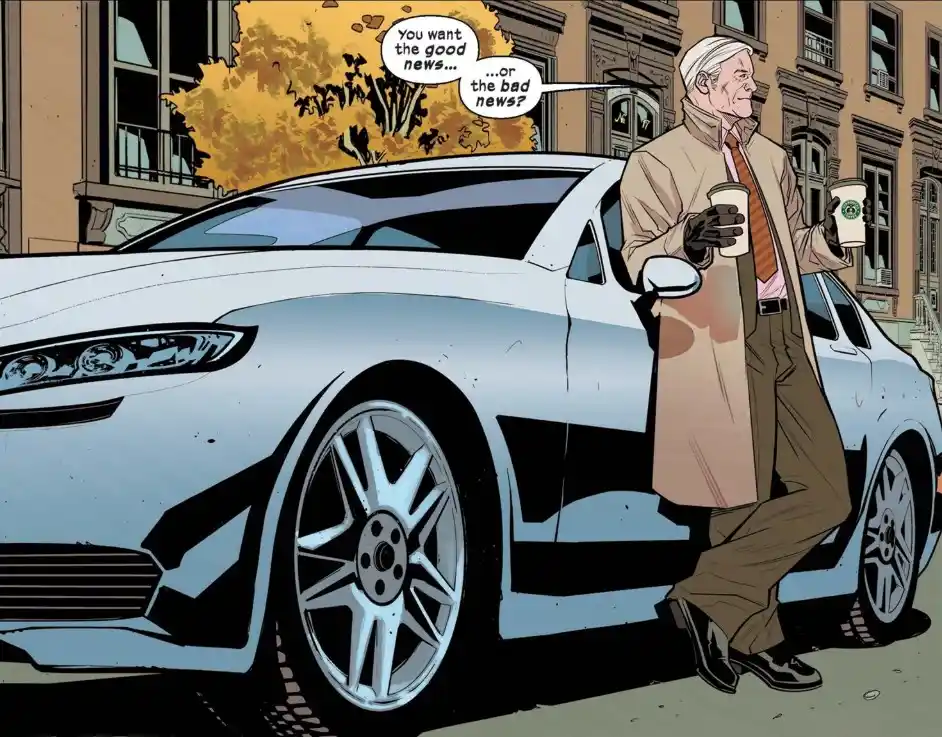
Small remarks and throwaway details, such as Jameson commissioning a vanity book, keep the characters grounded and believable as humans. While this volume is most concerned with showing Ben and Jameson’s admirable sides, the space is left for both or either of them to stray from the light in various ways, so to speak. Readers may find themselves wanting more flaws and humanization from the duo, who at times fall into a dynamic of being strong but kind, with no other weight on their character.
Besides the journalist-heroes, readers also get more insight into the rest of Spider-Man’s surrounding cast. While Harry, Gwen, and MJ may not be given the full spotlight, the portions that shine on them are intentional and reveal full, relatable personalities. Readers will find parts of themselves within each of the characters, as is expected from any piece of media leaning into such a wide, beloved cast. The only downside to the broadened scope is, of course, time is taken away from Peter Parker, who showcases some subtle development but is far from a standout, as far as titular protagonists go.
There's no denying the technical skill on display regarding the book’s writing and art. Hickman’s dialogue and pacing combine to give readers a refreshing, enticing experience, particularly for fans of the typical Spider-Man output. The weight pulled by Checchetto cannot be overlooked, with the artist's subtle but expressive faces all but carrying some of the more extended, more restrained scenes. A degree of creative competence is necessary to pull off amusing tricks or stick the landing on certain bold decisions. Issue ten of Ultimate Spider-Man is structured around a consistent nine-panel page from start to finish, and in issue twelve, the titular hero does not say a word for the bulk of the book. What could be construed as novel choices feel substantial thanks to the quality and intent that are prevalent throughout the series. It is fair to say the second volume of Ultimate Spider-Man is, in large part, a build-up and stage setting for a more momentous climax and resolution. It must then also be said that when setup is this compelling and all-around fun to read, it makes the book worth reading on its own merits, and keeps readers hooked on the long-term story of the series going forward.
Citation Station
Ultimate Spider-Man Volume 2: The Paper, 2025, Jonathan Hickman (Author), Marco Checchetto (Illustrator, Cover Art), David Messina (Illustrator).