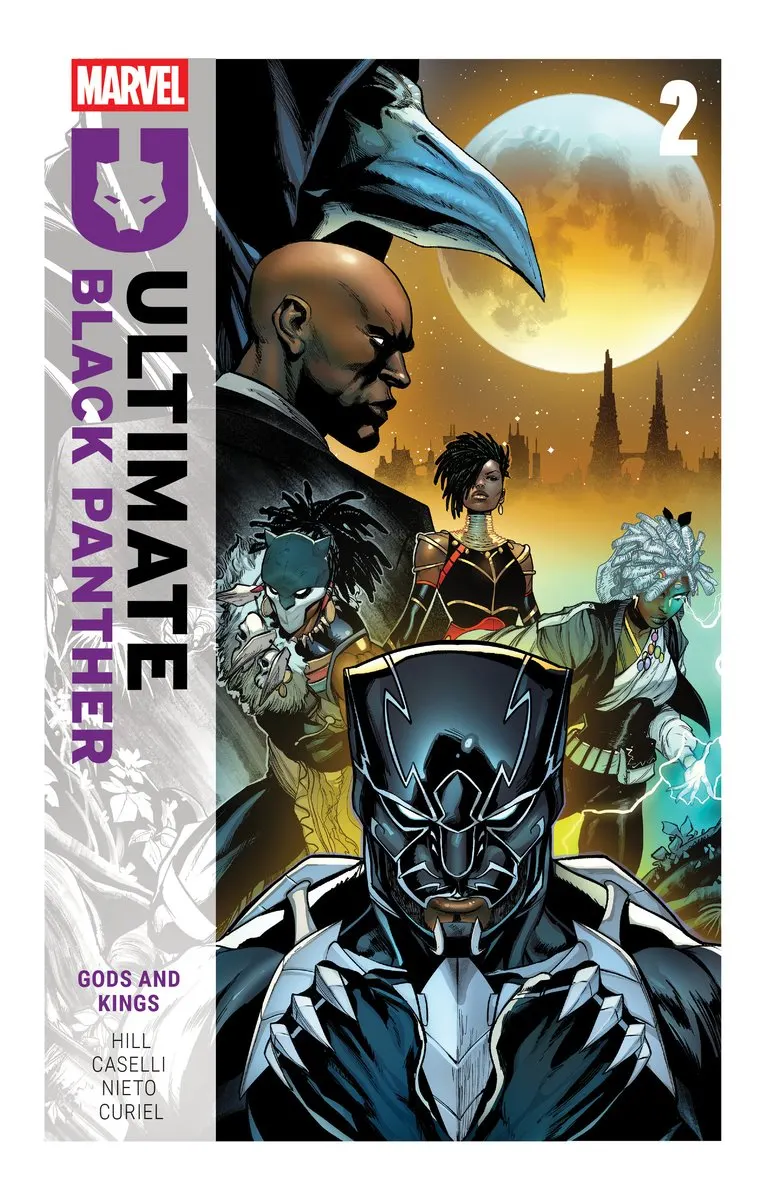
Bryan Edward Hill’s Ultimate Black Panther Bites Off a Lot in Volume 2: Gods and Kings
Marvel’s Ultimate Universe

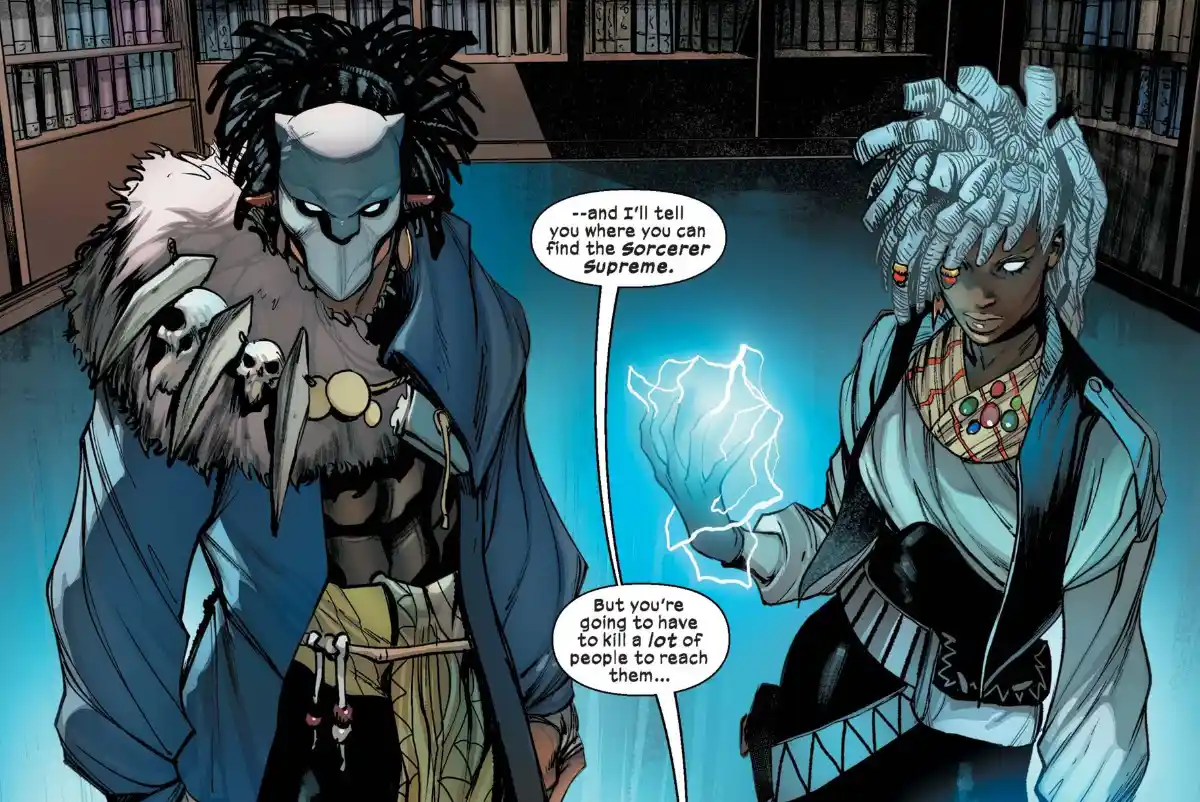
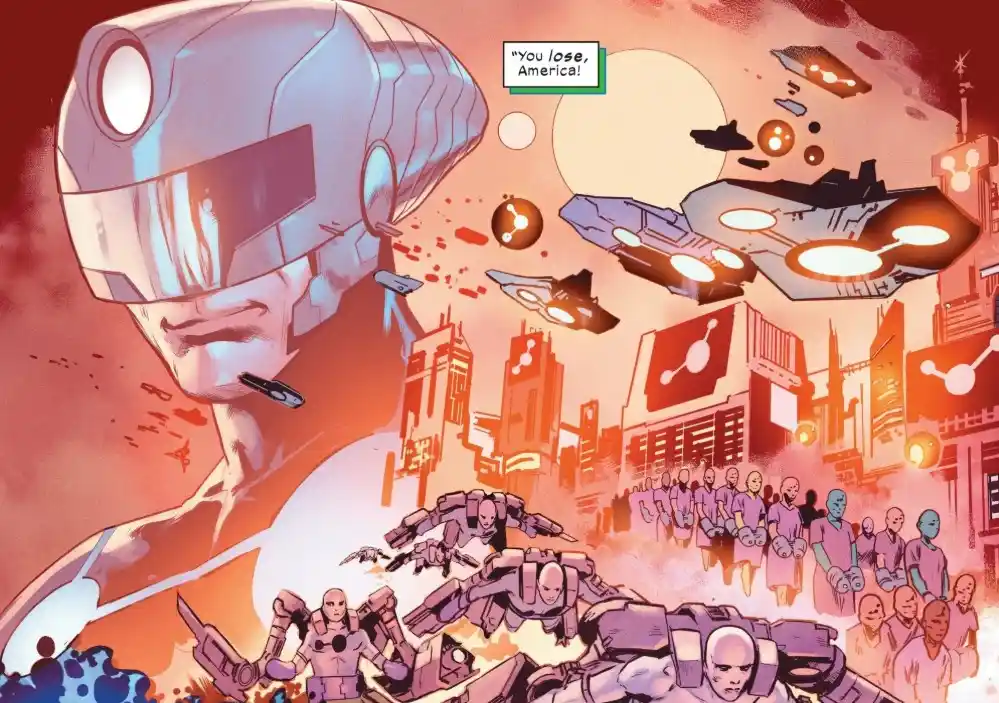
The war for Africa continues in Bryan Edward Hill’s Ultimate Black Panther Volume 2: Gods and Kings. Picking up where the first six issues left off, readers find Black Panther and the nation of Wakanda engaged in a continent-wide conflict with Lord Ra and Lord Khonshu. The duo of demigods works under The Maker and is determined to subjugate Africa while their leader finds himself locked inside The City following the events of Ultimate Invasion. In response, the nation of Wakanda has emerged from its isolation and is resisting the invading force.
Gods and Kings is a book centered on colonization, conquest, and the levers of influence that enable them. A metaphor that is brave in its lack of subtlety, Ra and Khonshu spread their religion across Africa. The duo is successful by associating their message with material help in the form of food, infrastructure, and safety, while imposing their will on the populations they claim to help. From T’Challa’s eyes, the readers see a grand struggle over cultures, tradition, and the responsibility to wield power. The internal turmoil of Black Panther is interesting enough, but it is the windows into alternate perspectives that underline the book’s intentions. From the insight of supporting characters Storm and Killmonger, to one-off lines from random extras, the series makes a particular effort to explore nuanced, real-world topics within the context of a superhero universe.
Behind the living metals, ancient magic, and other science-fiction and fantasy trappings, the series is concerned with the multifaceted affair of empire building. The book highlights the clear and present incentives for nations and people outside of Wakanda to side against the neighboring nation, with an emphasis on the consequences of the years of secrecy. An average person in Ultimate Africa is unlikely to know who the Black Panther is, and they are justified in their skepticism about what he or his country would do for them. Through the Vodu-Khan, the series touches on the ambiguous role played by traditional religions and hierarchies during mass colonization/disruption events, but this volume is less concerned with that dynamic, and mostly serves to set the stage for exploration in later installments.
The underpinnings of Gods and Kings are sweeping concepts that may not be controversial in their depiction, but are wide-reaching and carry more weight than the typical superhero affair. Bold ideas only carry the book so far, with its execution and pacing falling into unfortunate, familiar ruts. As with the previous volume, there is a clear pacing pattern and issue structure that feels formulaic, if not tired.
One of the benefits afforded by the Ultimate Universe is the opportunity to reintroduce the world of Marvel’s superheroes through a fresh lens. In the pages of X-Men and Spider-Man, this is taken to the fullest extent, with subversions of expectations built into the narrative. For Black Panther, almost the opposite is true; the series plays into the typical, broad story associated with the hero and his nation, while focusing energy on elements that resonate with the broader world of the modern Ultimate Universe.
Wakanda exists and is revealed to the world in a way that is well understood since the 2018 film. The familiar hurdles of revealing a secret, technologically advanced society is set alongside the central conflict of Ra and Khonshu, who are specific to the new universe. The major downside of this decision is that the series still needs to invest time and space in introducing the protagonist and the wider setting, both of which are only slight variations on known quantities, and is not interested in adding or twisting anything of substance.
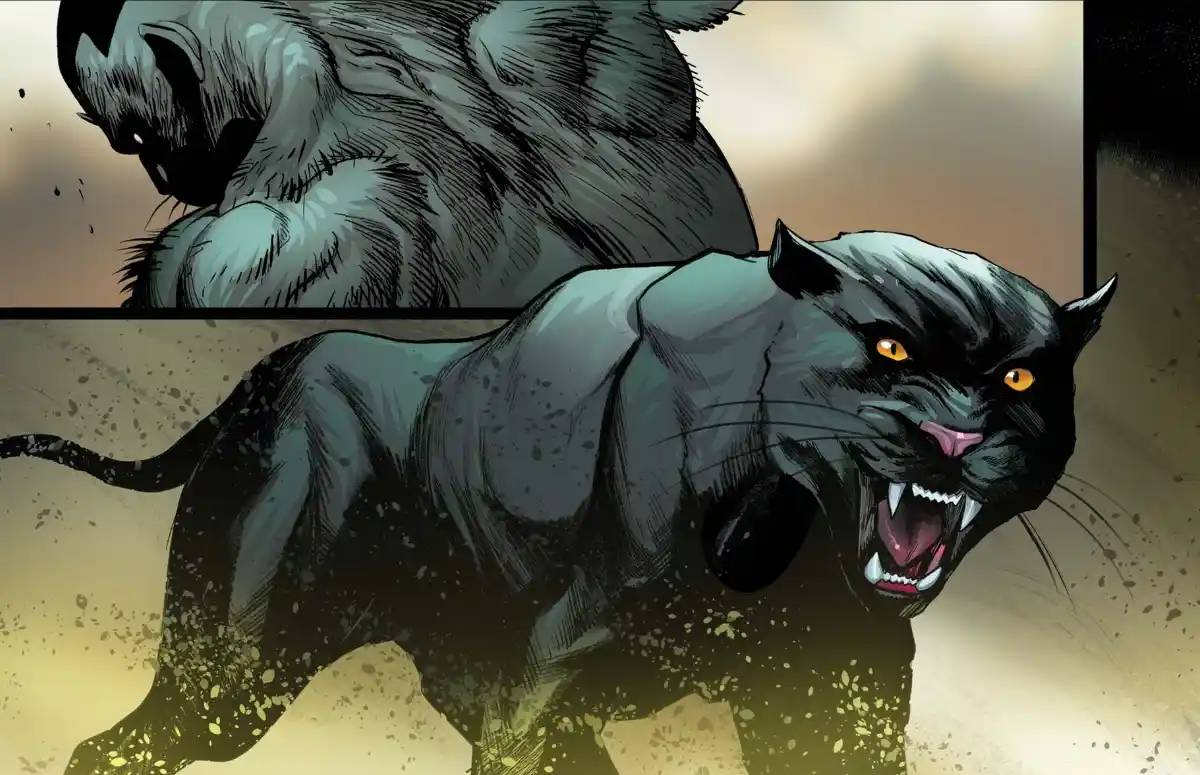
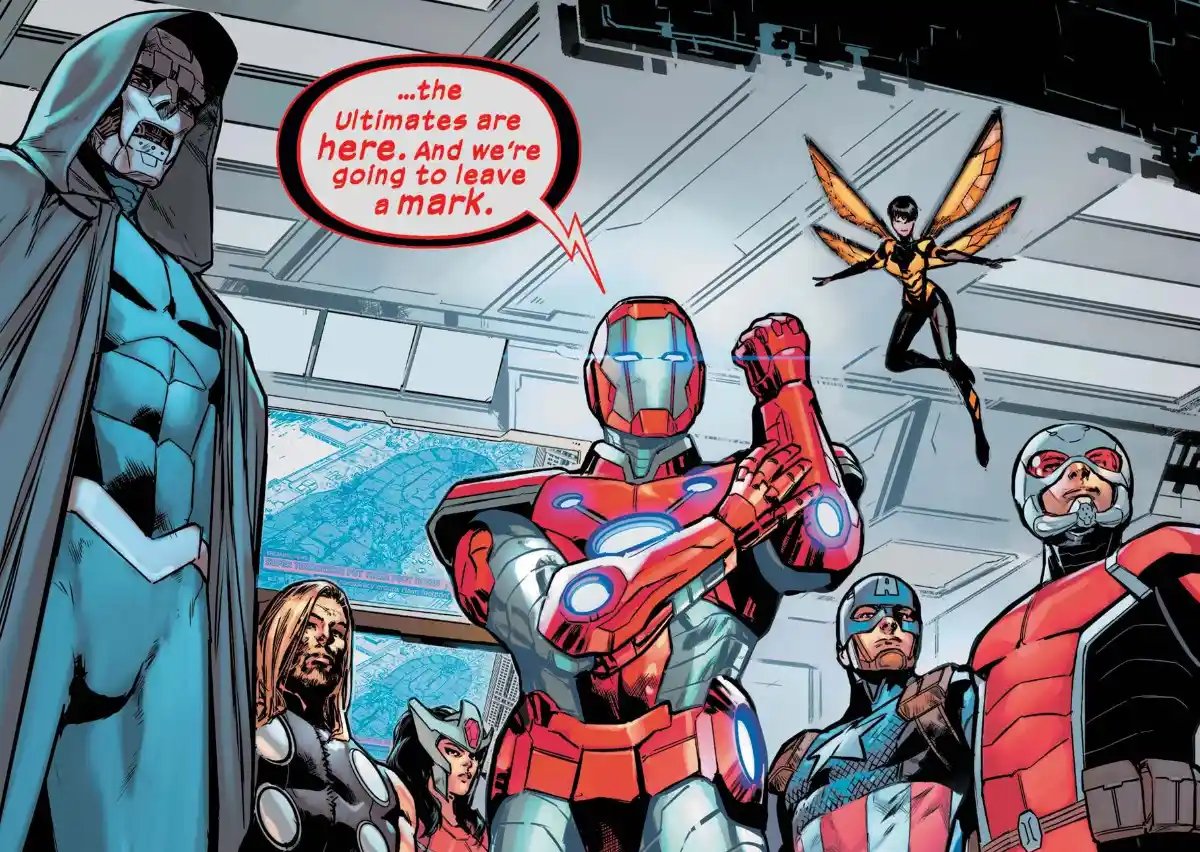
Compounding with the relative run-of-the-mill issue structure, the art does not pick up the slack enough. There is no definite drop in quality, or even noticeable failings from page to page, but the style is rooted deep in a house standard, which other books in the line take pride in going against. A relatively similar style is seen in sister series Spider-Man and Ultimates, but those books rely on their plot to establish themselves as separate from their main universe counterparts. With Black Panther, the standard art, while high quality and technically well done, adds to the lack of a distinguished voice from the series.
A good series with every possible chance of being great, Ultimate Black Panther is a comic that needs to take some big swings as it goes forward, in order to define itself. Spider-Man, X-Men, and Ultimates are distinct and intentional in placing themselves separate from their mainline counterparts. A setting and character that are as familiar as not, combined with the obscure, and less than threatening, villain duo, give Black Panther the feel of a standalone graphic novel that straddles the line of canon, as much as one of the pillars of a new connected line of comics.
Ultimate Black Panther is successful in advancing necessary plot elements, such as introducing characters and lore, but lacks interest in allowing its personality to shine through. Some of the grander ideas feel shackled by convention and canon in ways that the book could be active, and take pride in its refutation. As a full package, readers can’t come away from Gods and Kings with too much regret. Top-of-the-line art paired with a competent story and a genuine message makes the book worth reading, even if it is still playing catch-up with others in the space.
Citation Station
Ultimate Black Panther Volume 2: Gods and Kings. Bryan Edward Hill (writer), Stefano Caselli (penciler, inker), Carlos Nieto (penciler, inker), David Curiel (colorist).