The Children of the Atom Aren’t Alright in Peach Momoko’s Ultimate X-Men Volume Two
Marvel’s Ultimate Universe

Responses to the first volume of Peach Momoko’s Ultimate X-Men were one of the most varied out of all the initial series in the Ultimate Universe, if not the most. Fans with a certain taste, or those on the hunt for a refreshing take on Marvel’s mutants, alongside the majority of critics, tended to agree that the series was a bold step in the right direction for a publisher steeped in safe choices. Some found the book a bit too disconnected from the new universe that it ushered in, among other complaints of varying coherence. A common phrase that continued to crop up about the book was that it just didn’t “feel like X-Men.” While this critique is arguable in its legitimacy and weight, it can be understood in good faith as long time readers not connecting with the first volume in the same way they did with other creative takes on the mutant team. With 2025’s volume two, The Children of the Atom, Momoko does not answer to these naysayers, nor does the book compromise any personality. However, in an underappreciated move, the series incorporates and mirrors more than enough classic X-Men elements to put issues of legacy to bed.
The Children of the Atom is a term that evokes the original X-Men team, from Kirby and Lee. At a ten thousand foot view, the classic comic duo created a boarding school for teenagers with superpowers, where they train to operate as a covert paramilitary squad, with the overall objective of policing and supporting others with similar abilities. This is done in service of their leader, Professor Charles Xavier’s ill-defined dream of an eventual peaceful coexistence for humans and mutants. They operate in secret as much as possible, but in classic runs, Professor X never truly disconnects from the US government and the structures he believes can be bent to benefit his community. The professor also relies heavily on his near-limitless mutant power to manipulate and subdue others, though he does provide frequent bloated monologues over his distress at his own moral transgressions. Readers can take the classic framework and lay it over the Ultimate variation, and the series' perspective really starts to become clear. The central cult in the modern version is a slanted reflection of the classic perspective at times, but also serves as a more straightforward, serious take on the original concept.
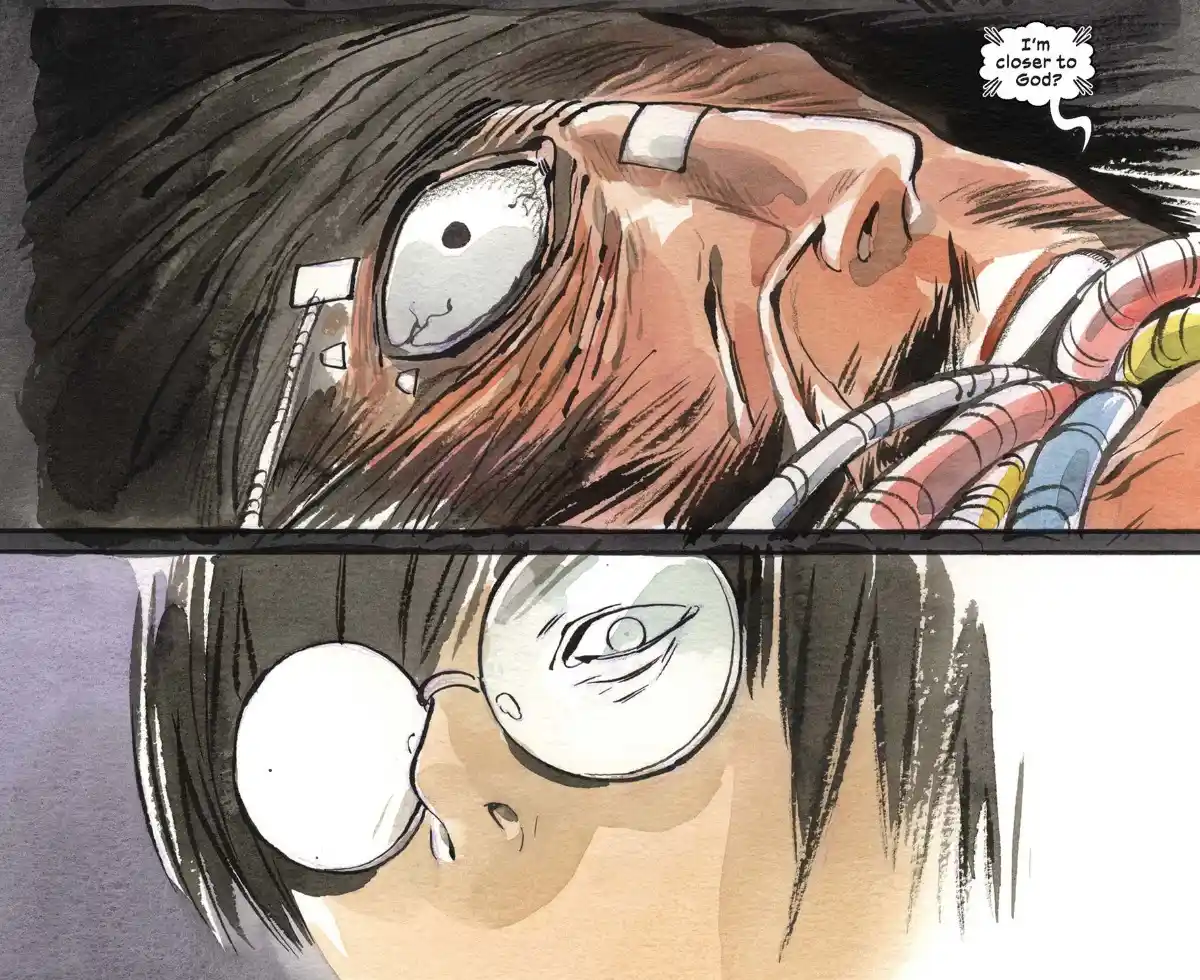
Overarching the volume is the turmoil caused by the public reaction to the existence of mutants. Amongst the chaos, superpowered teens struggle with the manifestation of their abilities alongside the horrors of puberty and high school. Their emotions and connected power lash out at those around them, and then those around them lash back. Throw in the over-the-top fight scenes, and even the more specific idea of a Chosen One/Messiah mutant that can awaken others’ powers, and readers will find it hard to deny the familiar X-Men formula they are feeding upon. Although it is not explored in great detail as of yet, Momoko also plants the seeds for divisions among the mutants, with an ideological discussion along the lines of Professor X versus Magneto. The reminiscence of the main universe is wielded well enough to justify the X-Men and Children of the Atom labels, but the real reasons to read the series lie in the areas that are all Momoko.
Connection to classic comics, the main Marvel Universe, and even the broader Ultimate Universe all serve as a structure for the book’s more interesting ideas to reside, rather than being its focal point. They function almost as a limitation in practice, but serve to clear a bar of consistency that is almost required by the brand being recycled. The heart of Ultimate X-Men, and what sets it apart from many of its counterparts, is the hook of the characters and their relatability. For Momoko’s characters, their conflicts are grounded in the real world, including depression and ostracism, alongside the confusion and frustration of teenage existence. This same approach is evident in numerous mutant stories from over the years, but The Children of the Atom elevates itself with horror and psychological elements, standing alongside classic sagas such as Legion, the Demon Bear, and certain Shadow King comics.
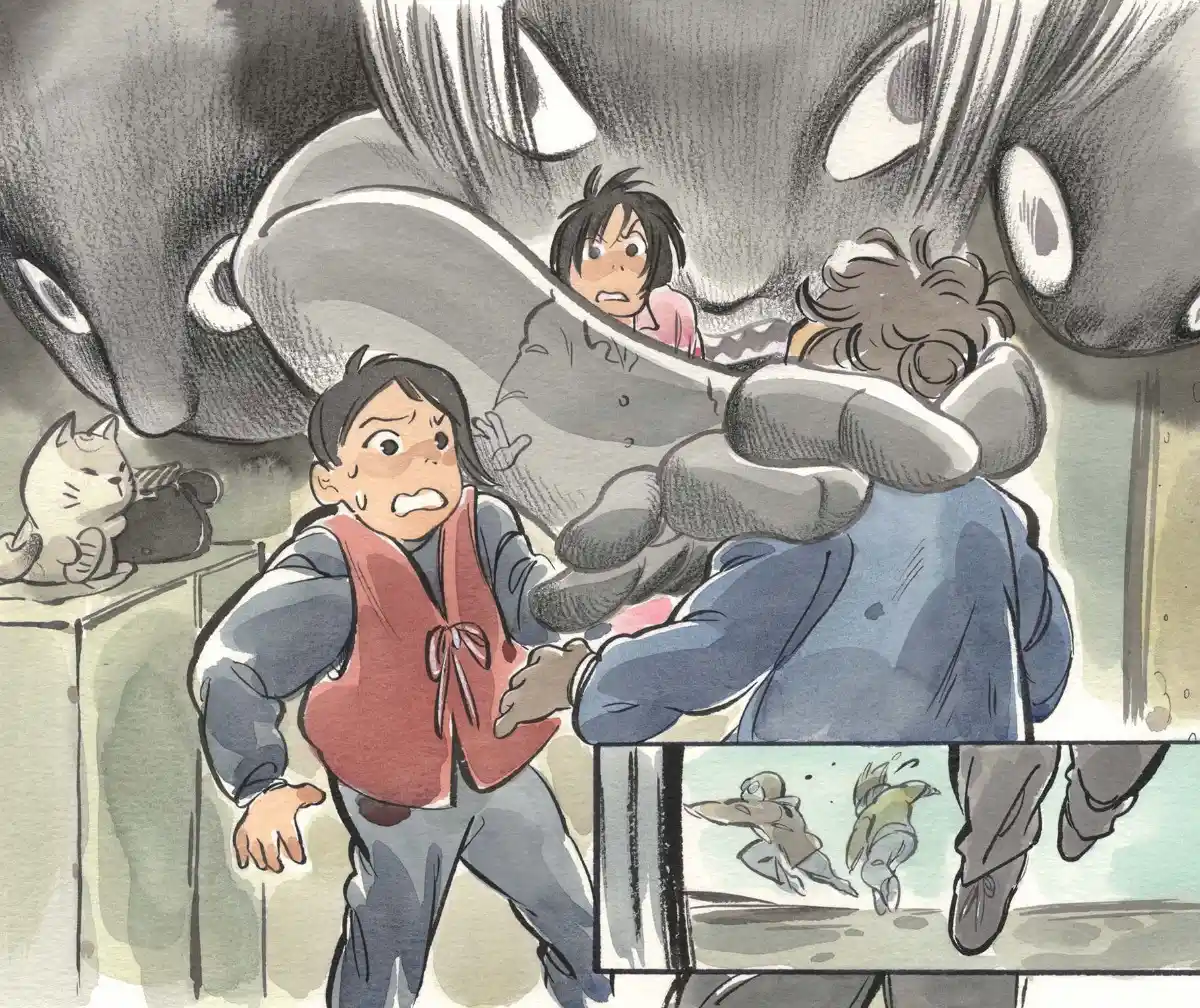
From a body in a suitcase to a razor blade opening a wrist, the series about teenage girls with superpowers adopts a tone that is far more mature than that of a plethora of its peers. There is no cowardice in the book’s exploration of its chosen conflict. Where countless Marvel books feign political statements and wallow in shallow platitudes, Ultimate X-Men does not back down from any of the topics it presents. From the hollowness of depression to the gripping fear of abandonment, the series is deliberate in its portrayal of each struggle afflicting its characters.
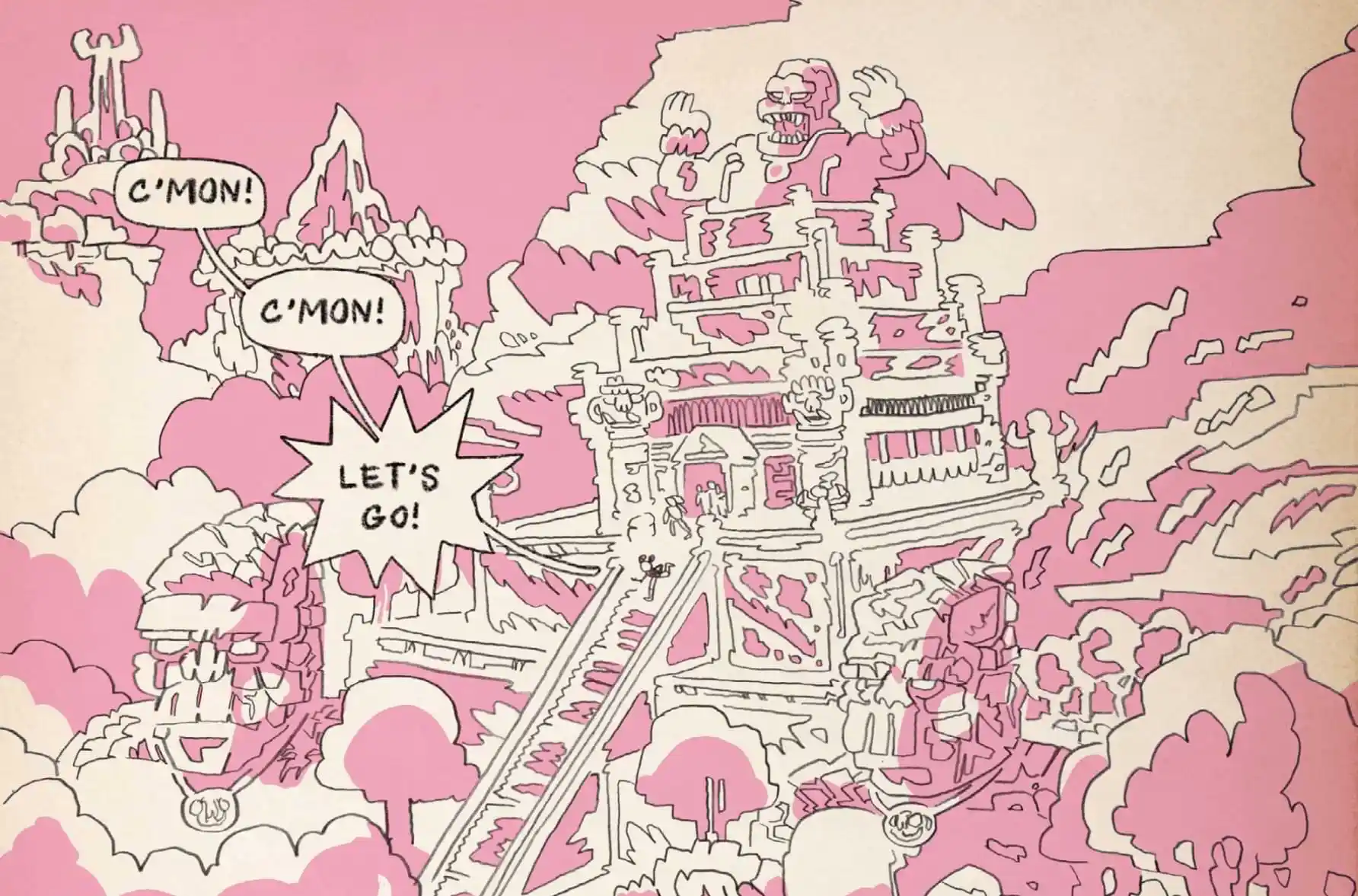
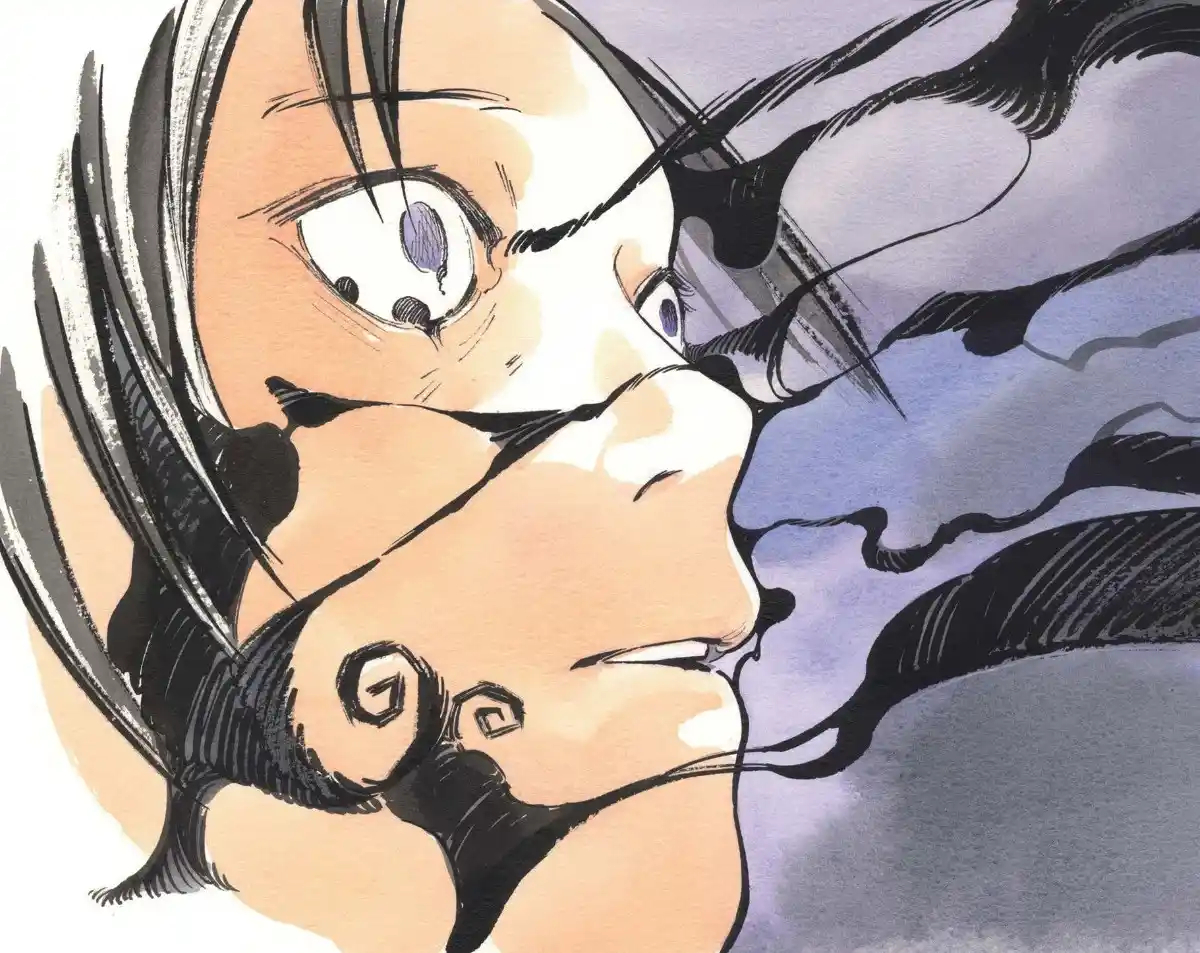
The art from Momoko transitions between skin-crawling panels of a demon wrenching itself from a television screen to bright, gorgeous scenes with personality bursting from each of the characters. It’s cohesive, evocative, and wholly different from the house style at Marvel. In terms of pacing, though, the second volume of Ultimate X-Men is much faster and aligned with typical expectations than its predecessor.
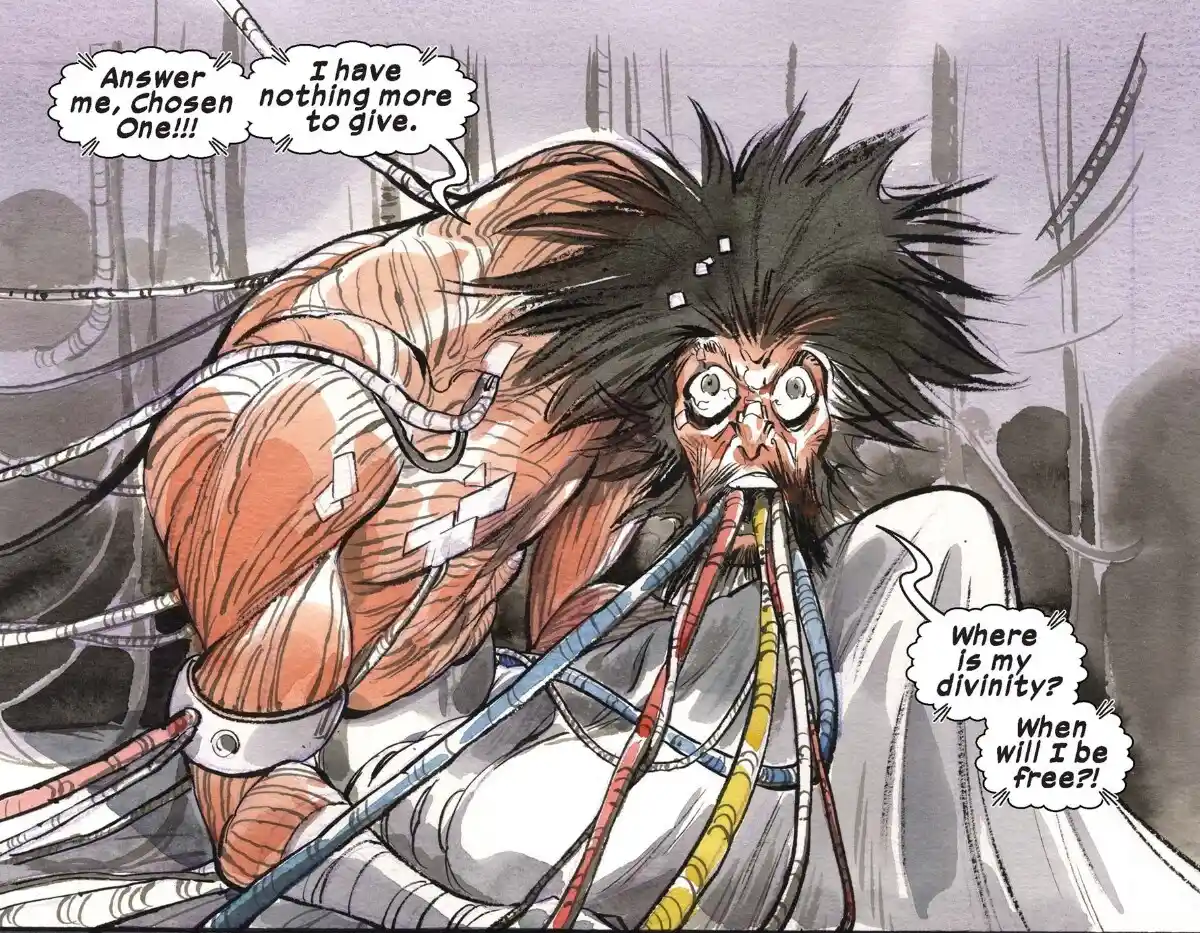
Fears And Hates did a lot of legwork to introduce Ultimate X-Men’s angle within the new universe, with the series' focus being individuals and the relationships between them and their community. The follow-up volume is far more concerned with pushing its plot forward, widening the book’s world, and establishing Momoko’s vision of Marvel’s merry mutants. The increased pace does lead to moments of brief confusion and might force readers to go back and orient themselves with which characters are which. The visual distinctions between the cast are obvious, but the simple fact that characters are new, with original stories, but exist in a universe that is ostensibly a cracked mirror version of another is enough to create a sort of barrier of entry, no matter how small.
Besides rushing the plot to a slight degree, the increased pace creates an exciting and compelling book, which successfully competes with, and subverts, mainstream comparisons. The art might not be to the taste of some, to their own detriment, and some slips in writing reveal the comic to be fallible. A personal nitpick was the repeated inclusion of hashtags, which felt particularly out of place, and almost from an era of the internet that has been left behind. Of course, that being the criticism that stuck out points to the overall success of the book. Ultimate X-Men is the most disconnected from the central narrative of the universe, which itself is a branch from the main Marvel line. In this secluded publication corner, Momoko has demonstrated her ability to construct her own vibrant world and vision within the boundaries of X-Men comics.
Citation Station
Ultimate X-Men Volume 2: The Children of the Atom, 2025. Peach Momoko (author, illustrator, cover art).